Chronic Disease Self Management

What Is Chronic Disease Self Management?
Chronic disease self management is about learning the skills needed to live well with a long-term health condition. Many chronic illnesses such as arthritis, diabetes, heart disease, lung disease, or Parkinson’s affect daily routines, energy levels, and independence. Self management focuses on helping people understand their condition and make day-to-day choices that support their health and quality of life.
This approach goes beyond medical appointments. It includes managing symptoms like pain or fatigue, staying active in safe ways, taking medications effectively, coping with stress, and adapting daily activities when health changes. The goal is not to “fix” the condition, but to help people feel more confident, capable, and in control of their daily lives.
Why Occupational Therapy?
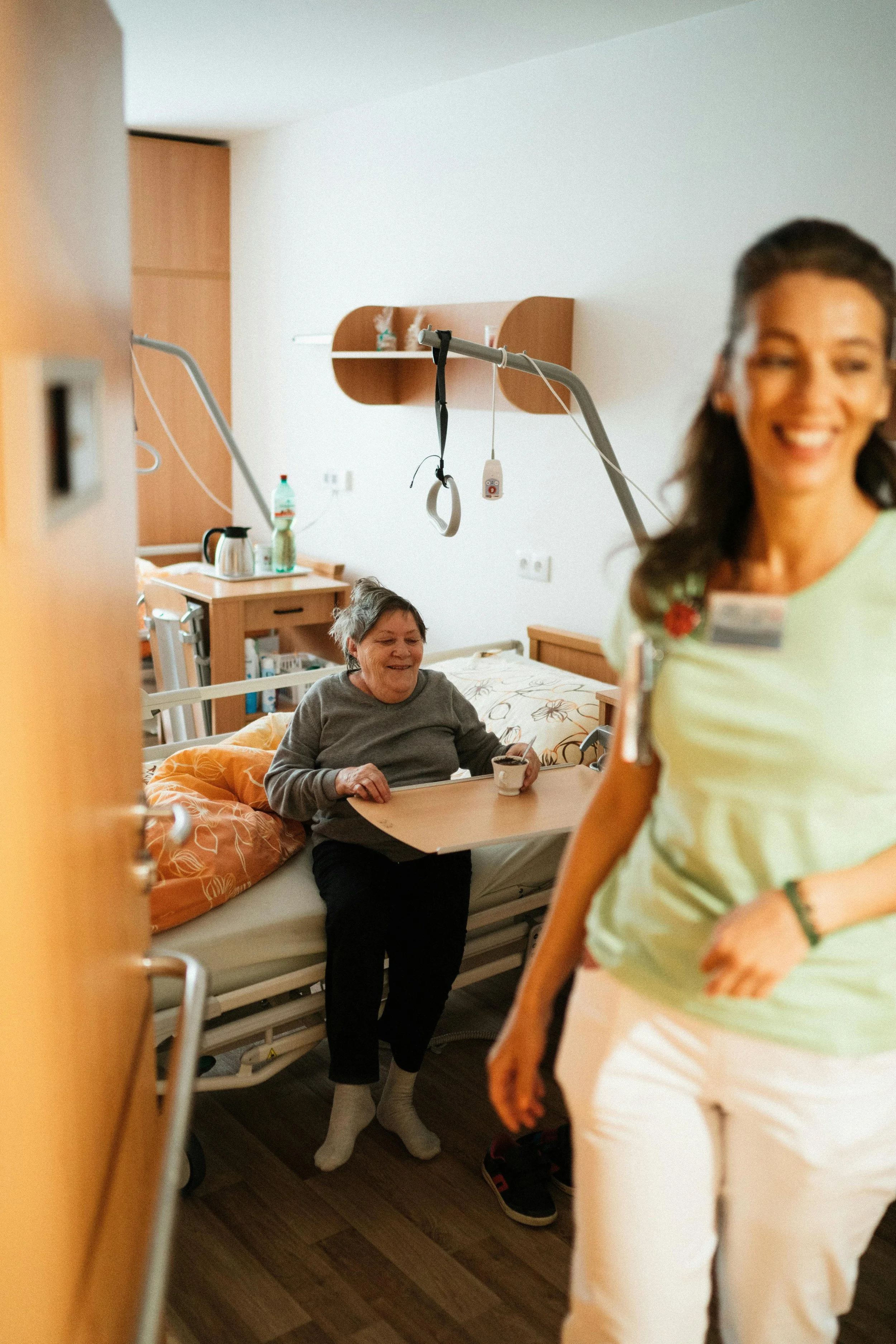
Occupational therapy helps people do the everyday things that occupy their time including the purposeful activities that bring value and meaning to daily life.
I hold a master’s degree in occupational therapy. My training has taught me how to look at the big picture, then break down each activity into its smallest parts and evaluate what’s standing in the way of success. When working with clients, I address the tools, skills, and knowledge needed to engage in new healthy behaviors. I carefully observe the interplay between the context, process, and ability to perform the activities desired to enhance a person’s quality of life.
An occupational therapist looks at the whole person, their activities and their environment, not just a diagnosis. When working, an OT may adapt routines, modify your environment, teach new strategies, or help you build skills that support independence and safety. When health conditions make daily activities harder, occupational therapy focuses on finding practical solutions. In chronic disease self-management, occupational therapy helps older adults continue living meaningful, engaged lives while working within their current abilities.

Why It Matters
In my years of experience working in the medical system, I’ve found that it often falls short. While it helps with immediate recovery, it doesn’t get people to where they want to be.
Medicare and private health insurances cover therapy to return you to your “prior level of function” but that’s the same level that got you into the problem in the first place. That’s where I come in. I provide services to take you beyond your prior level of function, so you can get out of the hospital and stay out of the hospital.
Common Conditions
Heart Disease
Support focused on building safe, sustainable routines for activity, energy conservation, medication management, and daily tasks unique to each person while living with heart conditions.
Cancer
Support tailored to the individual for managing energy, routines, and daily activities during or after treatment while balancing symptoms, recovery, and overall health.
COPD
Practical strategies curated to manage breathlessness, conserve energy, and stay engaged in meaningful activities despite changes in breathing.
Mild Cognitive Impairment
Strategies curated to support memory, organization, and daily routines so individuals can manage their health and maintain independence as cognitive changes emerge.
Diabetes
Coaching tailored to each individual to integrate blood sugar management, nutrition routines, medication schedules, and daily habits into real life in a sustainable way.
Limb Loss
Guidance to adapt daily tasks, mobility, and self-care routines based on each individual’s needs while building confidence and independence following limb loss.
Arthritis
Customized guidance on protecting joints, reducing pain and stiffness, and adapting everyday activities so you can keep doing what matters most.
Other Complex Health and Daily Living Challenges
Support customized for individuals experiencing health changes that affect daily routines, independence, and the ability to manage ongoing health needs.